Quick answer: before winter, check your battery, tires, coolant (antifreeze), wipers and washer fluid, lights, brakes, heater and defroster, engine oil and door seals, and pack an emergency kit. Most of these checks take only a few minutes, and they are the most common causes of cold-weather breakdowns.
Key Takeaways
- Cold weather reduces battery power, so a weak battery that worked in summer can fail on the first frosty morning.
- Tire pressure drops as temperatures fall. Check it once a month in winter, when the tires are cold.
- Use winter-grade washer fluid that will not freeze, and replace streaking wiper blades.
- Keep an emergency kit in the car in case you get stuck.
1. Test the Battery
Batteries lose cranking power in the cold, while a cold engine needs more power to start. If your engine turns over slowly, your headlights dim at idle or the battery is more than three to five years old, have it tested at a parts store or garage. Clean any white or green corrosion from the terminals and make sure the clamps are tight.
2. Check Tire Pressure and Tread
Air contracts in the cold, so tire pressure falls as the temperature drops. Check pressures when the tires are cold and set them to the figures on the sticker inside the driver’s door, not the maximum printed on the tire. Check tread depth too: worn tires lose grip quickly on wet, slushy or icy roads. If you live somewhere with regular snow and ice, consider winter tires.
3. Check Coolant (Antifreeze)
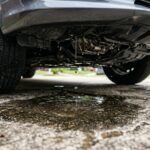
Coolant stops the water in your engine’s cooling system from freezing. With the engine cold, check that the level sits between the MIN and MAX marks on the reservoir. A garage or a cheap hydrometer can check its freeze protection. Never open the radiator cap on a hot engine.
4. Replace Wipers and Use Winter Washer Fluid
Replace wiper blades that streak, chatter or skip. Fill the washer reservoir with a winter-rated fluid that will not freeze. Summer fluid or plain water can freeze in the lines and leave you unable to clear road salt from the windshield.
5. Check All Lights
Shorter days mean more driving in the dark. Walk around the car and check the headlights (low and high beam), brake lights, turn signals, fog lights and reverse lights. Clean cloudy headlight lenses, which can noticeably reduce light output.
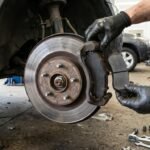
6. Inspect the Brakes
Stopping distances increase on wet and icy roads, so your brakes need to be in good condition. Grinding or squealing noises, a soft pedal or the car pulling to one side all mean the brakes need inspecting. Check that the brake fluid level is between the reservoir marks.
7. Test the Heater and Defroster
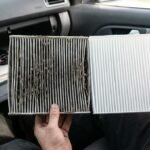
A working defroster is a safety item, not a comfort item. Run the heater and the front and rear demisters before the cold arrives. If the windshield keeps fogging, the cabin air filter may be clogged, or the air conditioning (which dries the air) may not be working.
8. Check Engine Oil
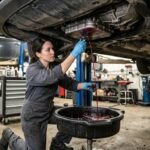
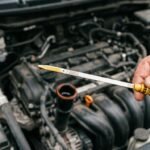
Check the oil level on the dipstick and top up if needed. If an oil change is due soon, have it done before winter, using the viscosity grade listed in your owner’s manual.
9. Protect Door Seals and Locks
Wipe the rubber door seals and apply a silicone protectant so the doors do not freeze shut. A small can of lock de-icer is useful to keep at home, not inside the car.
10. Pack a Winter Emergency Kit
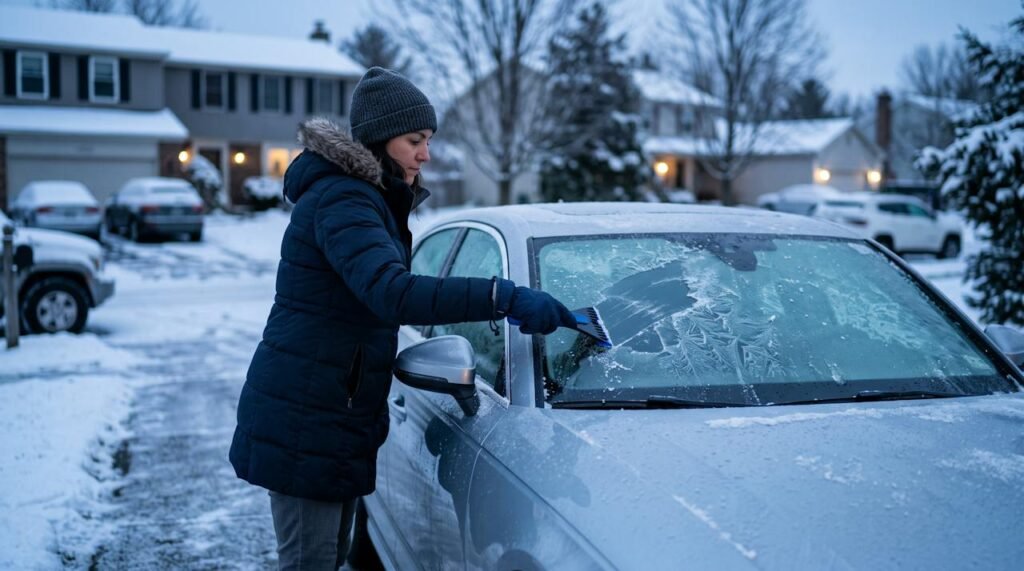
- Ice scraper and snow brush
- Blanket, warm gloves and a hat
- Flashlight with spare batteries
- Jumper cables or a portable jump starter
- Phone charger or power bank
- Bottled water and snacks
- A small shovel and a bag of sand or cat litter for grip
- High-visibility vest and warning triangle
Frequently Asked Questions
When should I prepare my car for winter?
Ideally in the fall, before the first frost. Batteries and cooling systems usually fail on the first very cold mornings, so checking them early avoids breakdowns.
Do I need winter tires?
If you regularly drive on snow or ice, or temperatures stay below about 45°F (7°C), winter tires grip much better than all-season tires. In milder climates, good all-season tires with plenty of tread are usually enough.
How often should I check tire pressure in winter?
At least once a month, and after any big drop in temperature, with the tires cold.
Should I warm up my car before driving in winter?
Modern fuel-injected cars only need about 30 seconds to a minute. Then drive gently until the engine reaches normal temperature. Long idling wastes fuel and warms the engine more slowly than driving.