Blog
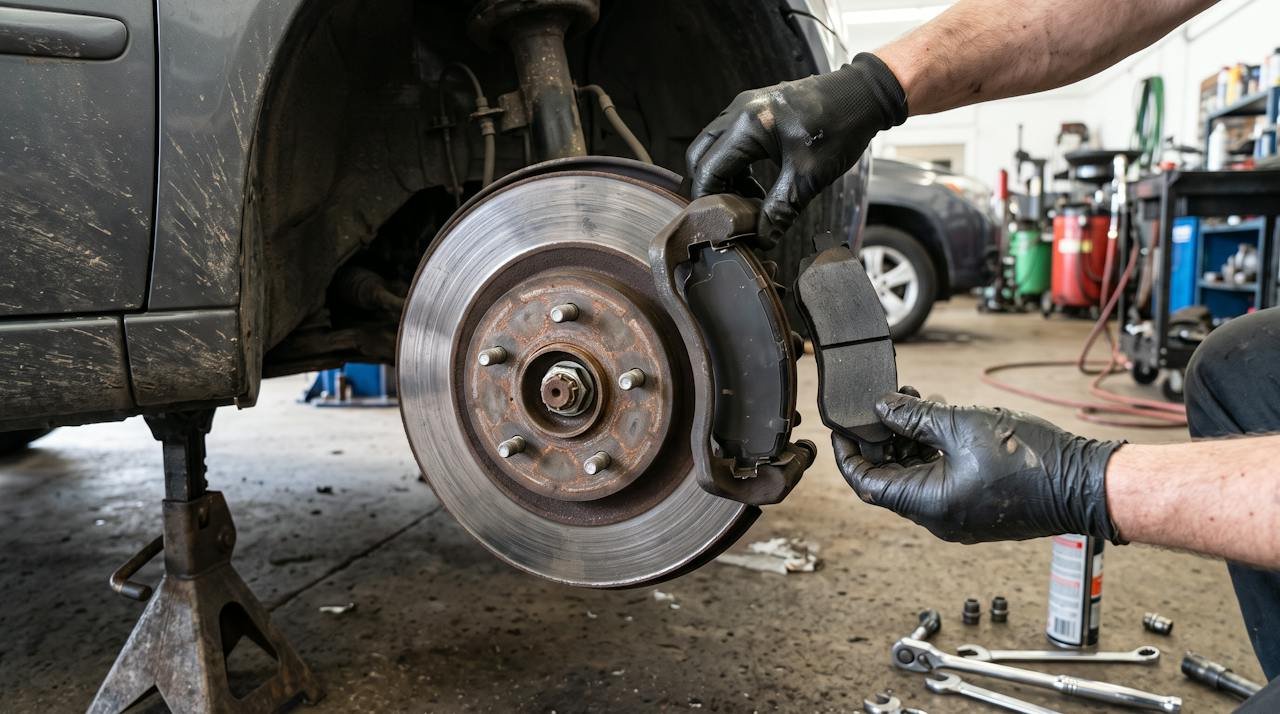
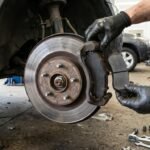
How Often Should You Change Brake Pads? Mileage and Warning Signs
Brake pads typically last between 30,000 and 70,000 miles. Heavy city driving wears them faster, while mostly highway driving makes them last longer. Many mechanics recommend replacing pads at about 3 to 4 mm of friction material.
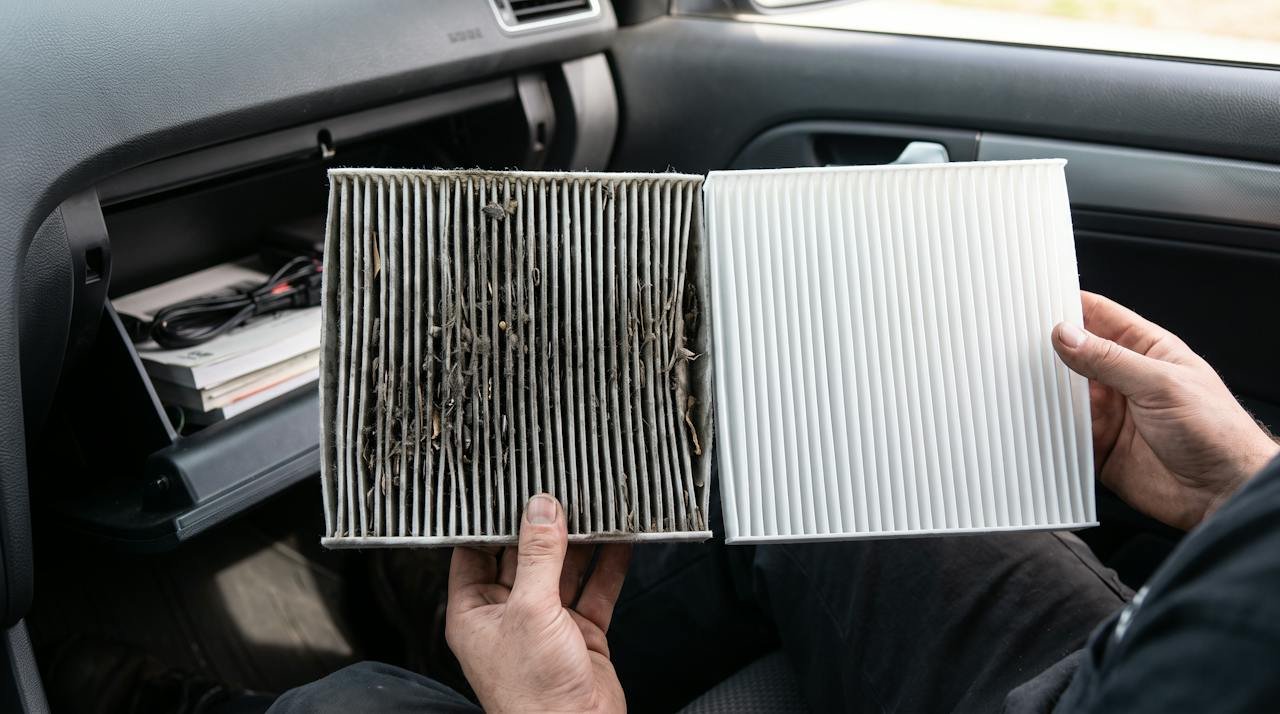
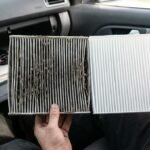
How Often Should You Change Your Cabin Air Filter?
Most cars need a new cabin air filter every 15,000 to 30,000 miles, or about once a year. Change it more often if you drive on dusty roads, in heavy traffic, or if anyone in the car has allergies.
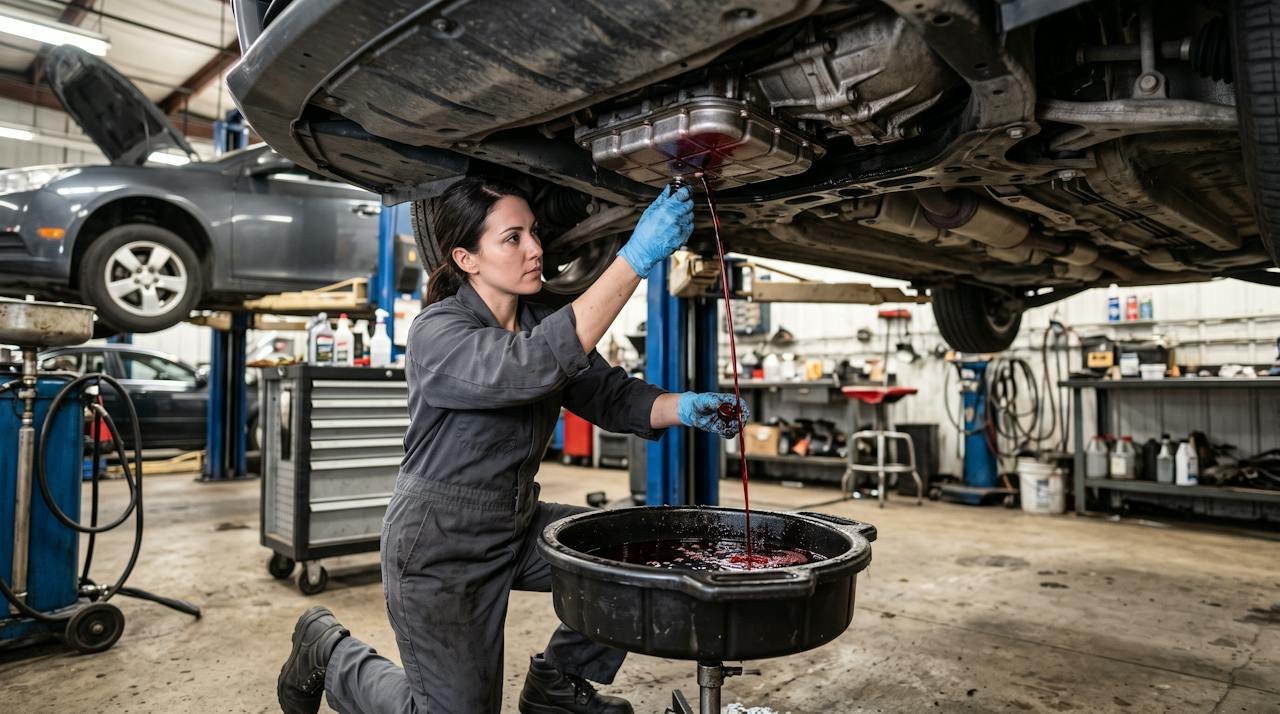
How Often Should You Change Transmission Fluid?
Transmission fluid intervals vary more than any other fluid: many manufacturers recommend somewhere between 30,000 and 100,000 miles, with shorter intervals for towing and heavy city driving. Check your owner's manual for your transmission.
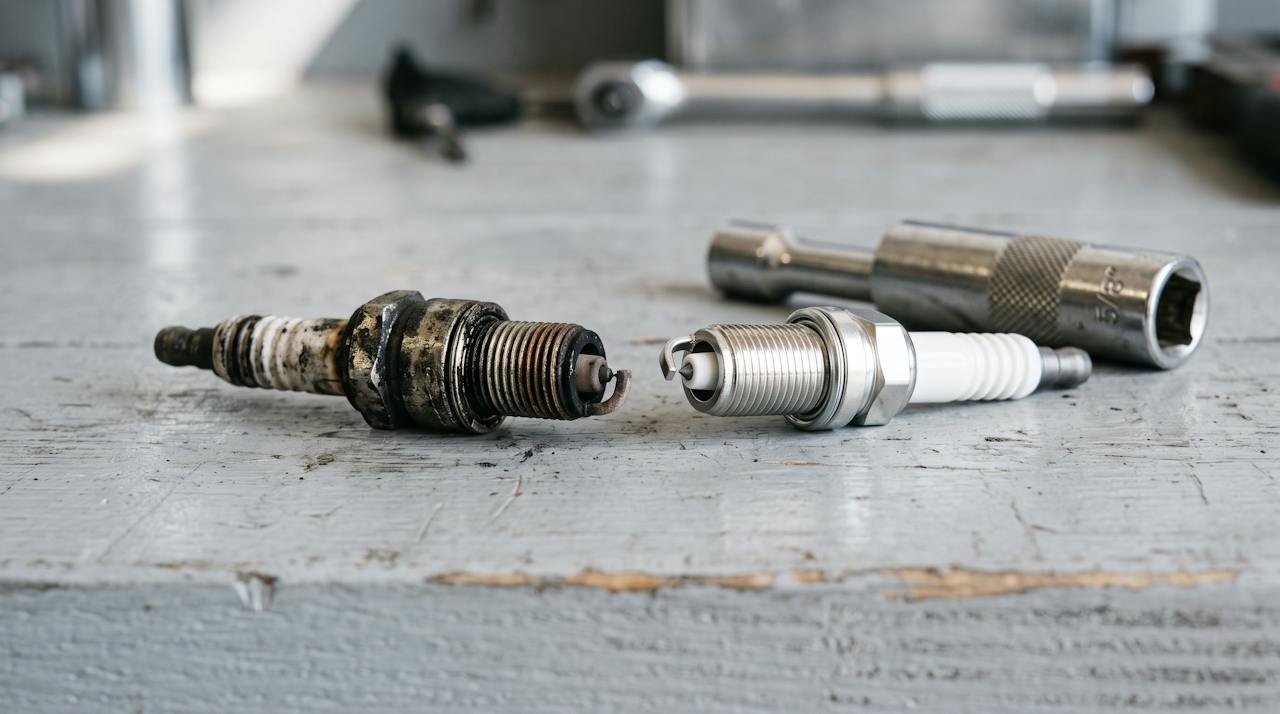
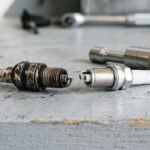
How Often Should You Change Spark Plugs? Intervals and Warning Signs
Copper spark plugs usually need replacing about every 30,000 miles. Platinum and iridium plugs, fitted to most modern cars, often last 60,000 to 100,000 miles.
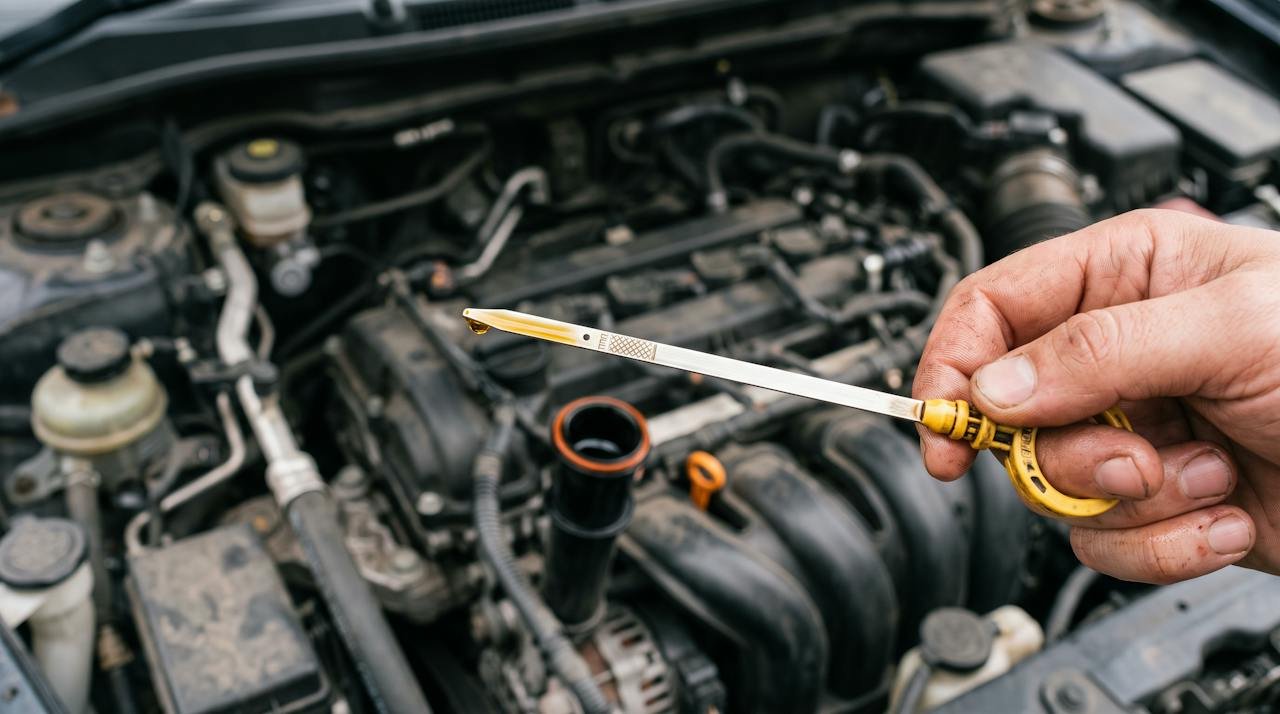
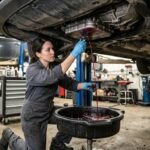
How Often Should You Change Your Oil? Miles, Months and Oil Type
Most modern cars using synthetic oil need an oil change every 5,000 to 10,000 miles, or at least once a year, whichever comes first. Older cars on conventional oil often need it every 3,000 to 5,000 miles.
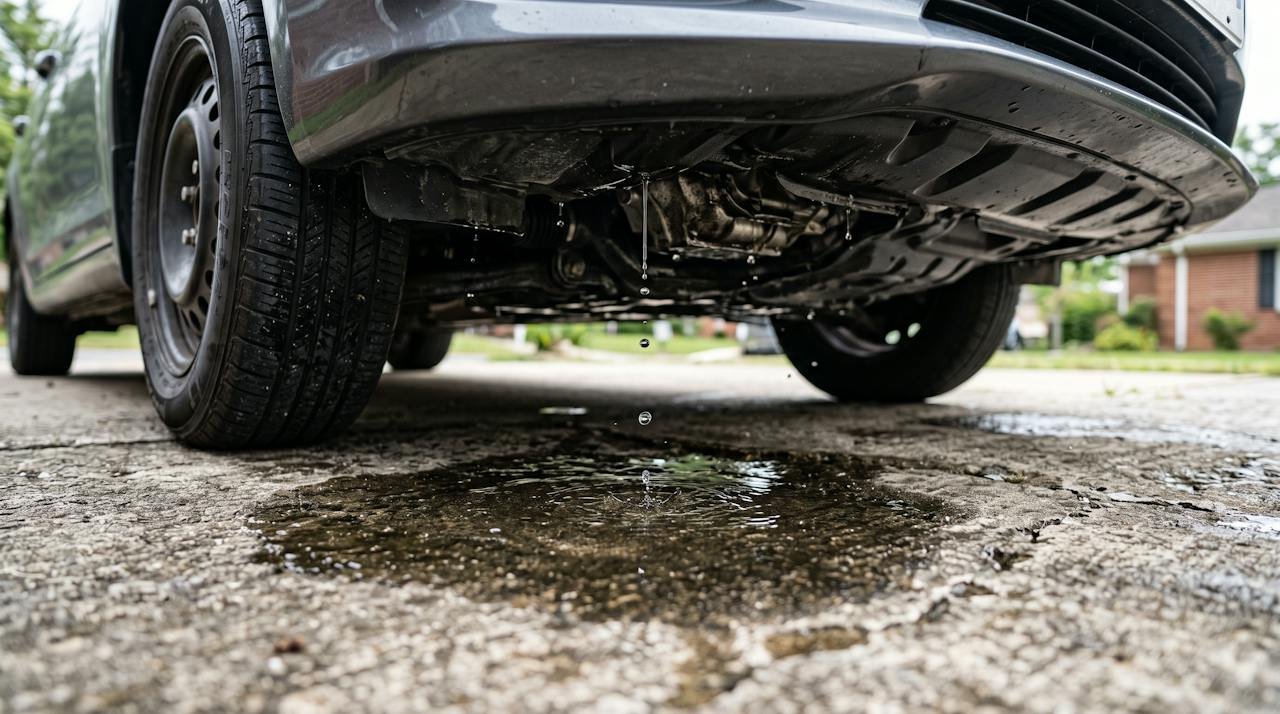
Car Leaking Water: Is It Normal? How to Identify the Fluid
Clear, odorless water dripping under the front of the car after using the A/C is normal condensation. Colored, slippery or sweet-smelling fluid is not water and should be checked.
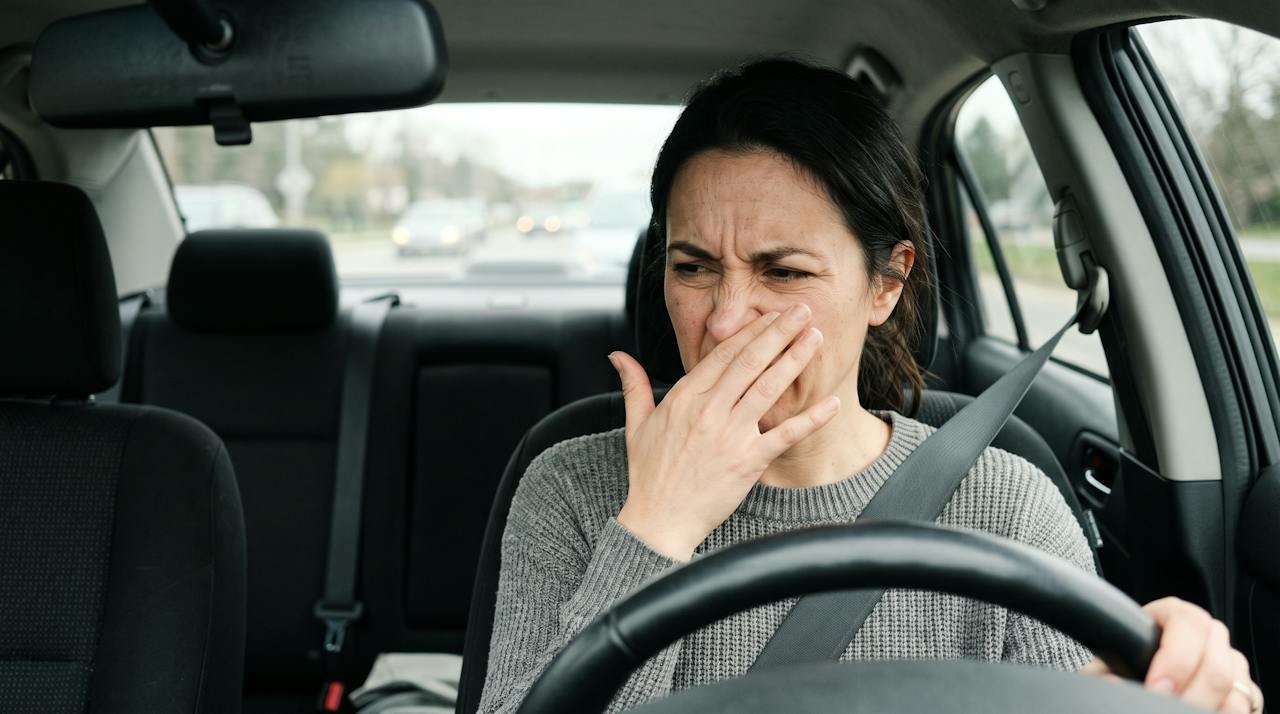
Car Smells Like Gas, Burning or Rotten Eggs? What Each Smell Means
A strong gas smell can mean a fuel leak and should be checked right away. Rotten eggs usually point to the catalytic converter, a sweet syrup smell means leaking coolant, and a musty smell usually comes from the A/C system.
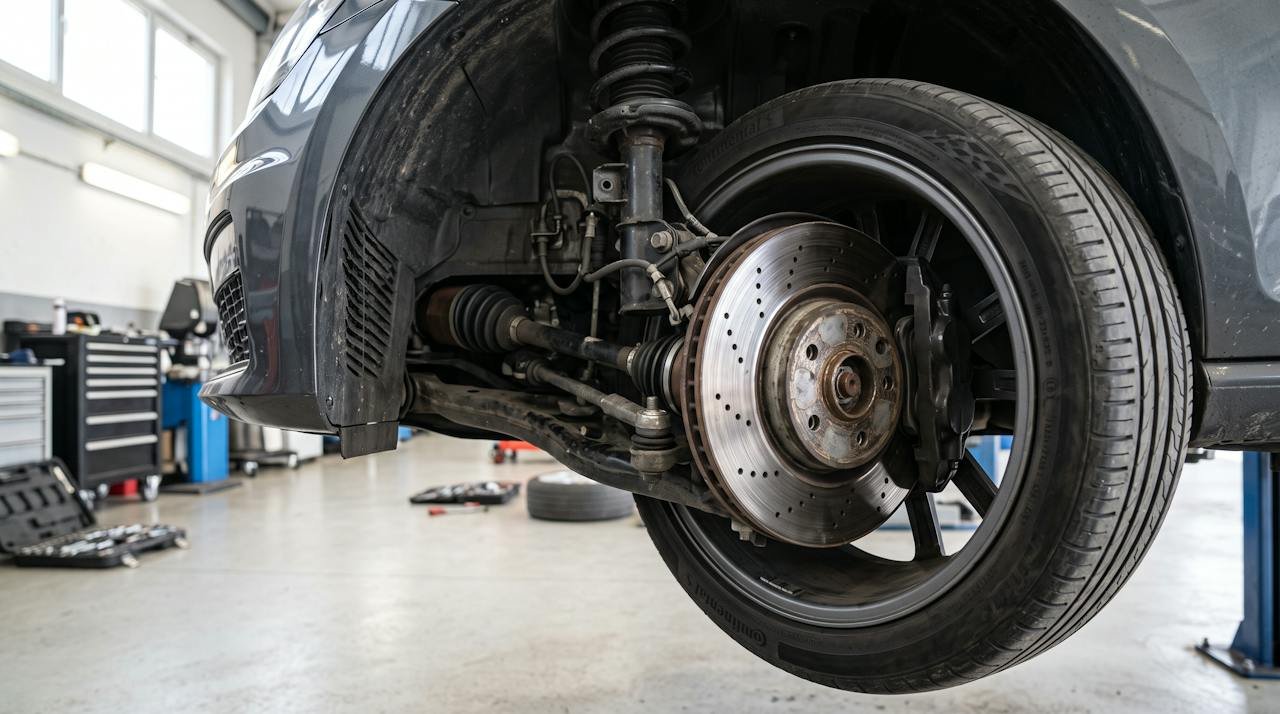
Car Making Noise When Turning, Braking or Accelerating? What Each Sound Means
Clicking when turning usually means a worn CV joint. Squealing when braking is normally the brake wear indicator, while grinding means the pads are worn to metal. A hum that gets louder with speed often points to a wheel bearing.
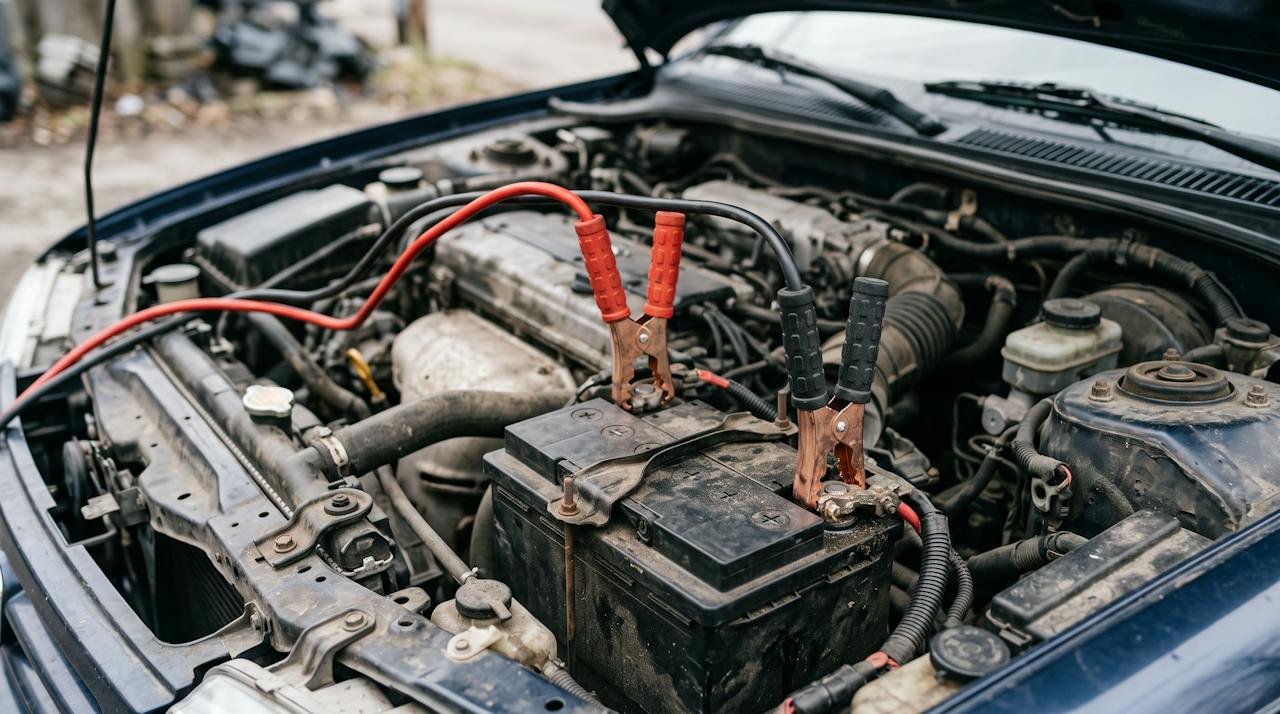
Car Won’t Start? How to Tell What’s Wrong From the Sound It Makes
Rapid clicking usually means a weak or dead battery. Cranking without starting points to fuel, ignition or the immobilizer. Complete silence suggests a dead battery, bad connections, the car not being in Park, or a starter problem.
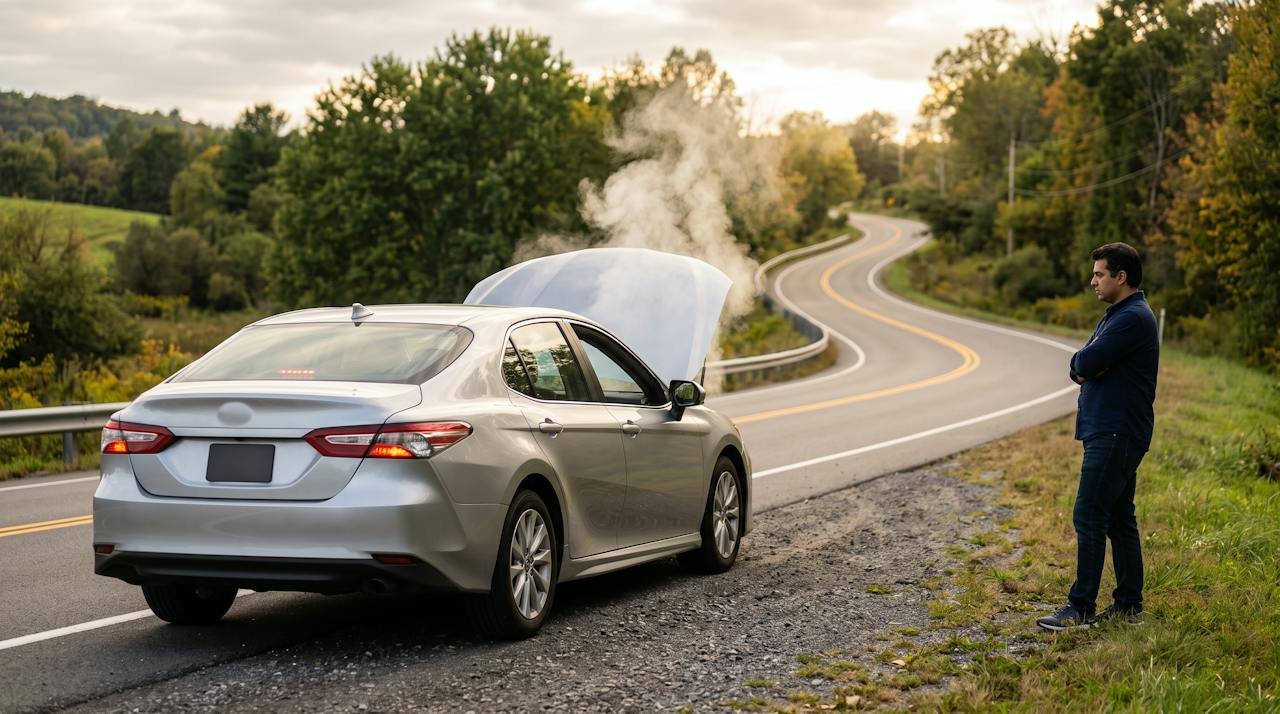
Why Is My Car Overheating? Causes and What to Do Right Away
If your temperature gauge climbs into the red, turn off the A/C, turn the heater to full hot, pull over safely and switch off the engine. Common causes are low coolant, a stuck thermostat, a failed water pump or a faulty radiator fan.